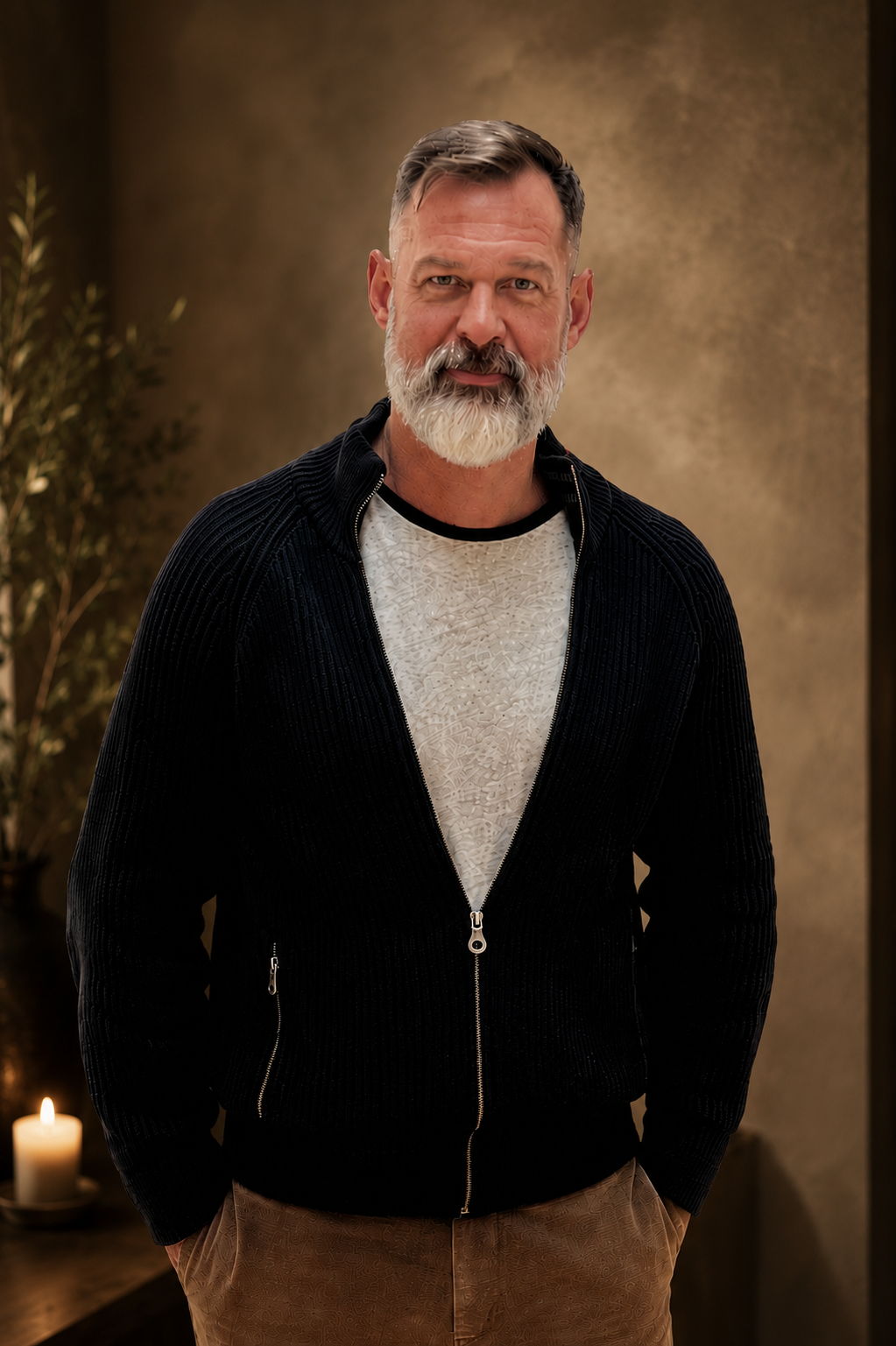
About
I didn’t set out to create a method.
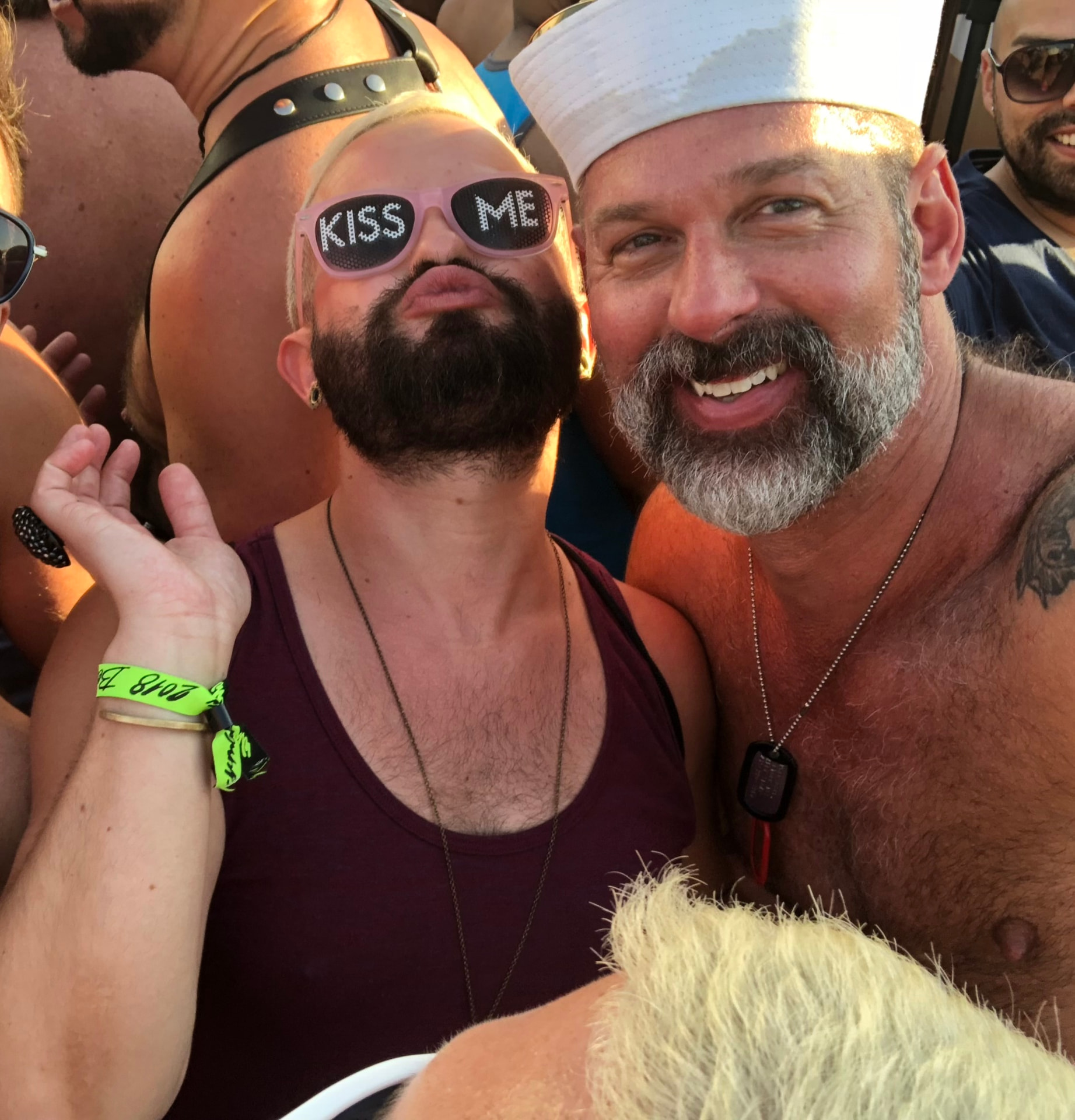
I moved to San Francisco at 29 and found myself in one of the most extraordinary places in the world to explore queer life.
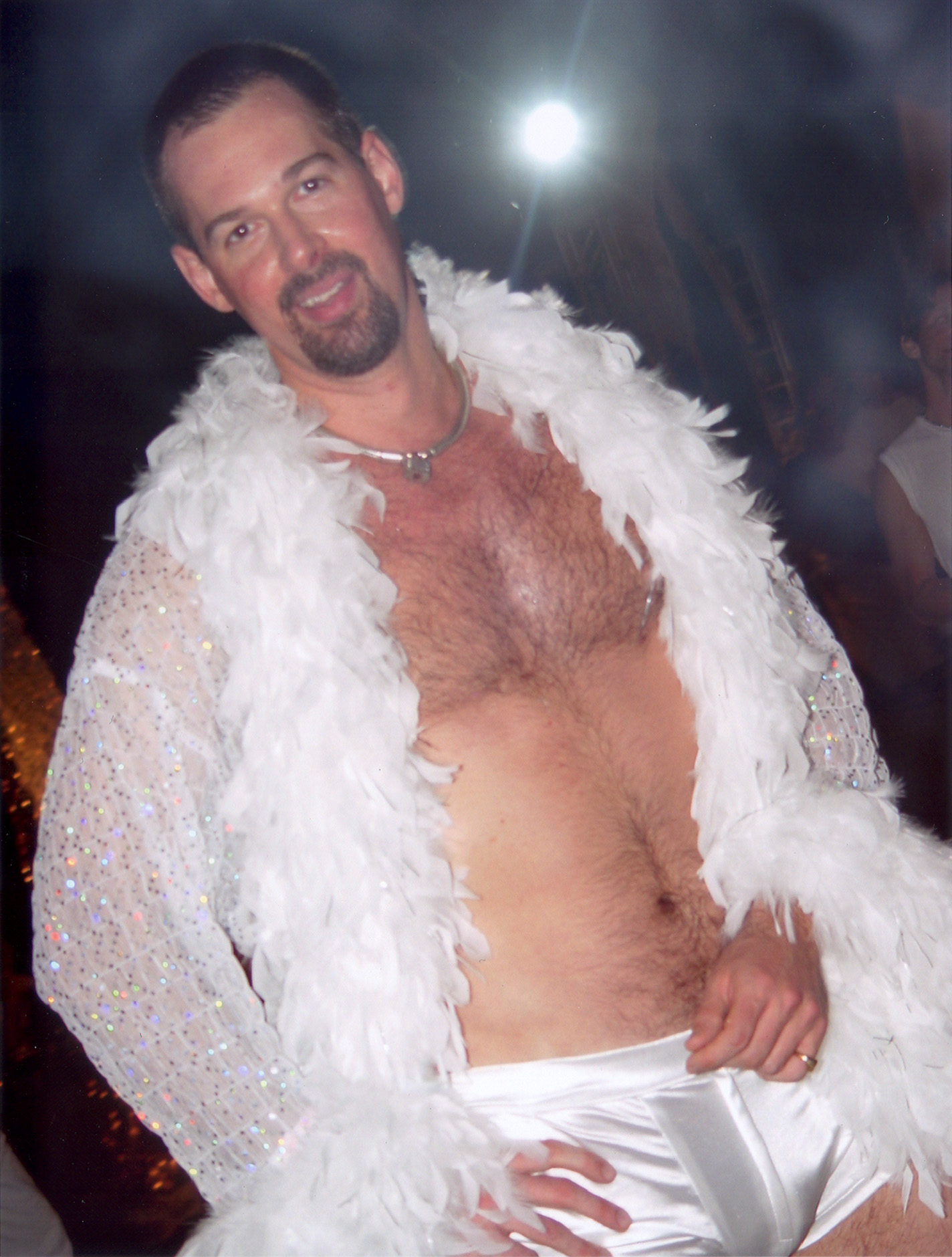
For more than 25 years, that exploration has taken me through relationships, sexuality, pleasure, kink, and countless experiences with other queer men—a lot of travel, dancing, drugs, sex, friendship, experimentation, and fun. Many of those things are still part of my life, although my relationship with intensity and distraction has changed considerably over time.
I was also living through an extraordinary transformation in gay life: from the long shadow of the AIDS epidemic to treatment and PrEP, and from debates over coming out and gay visibility to marriage equality.
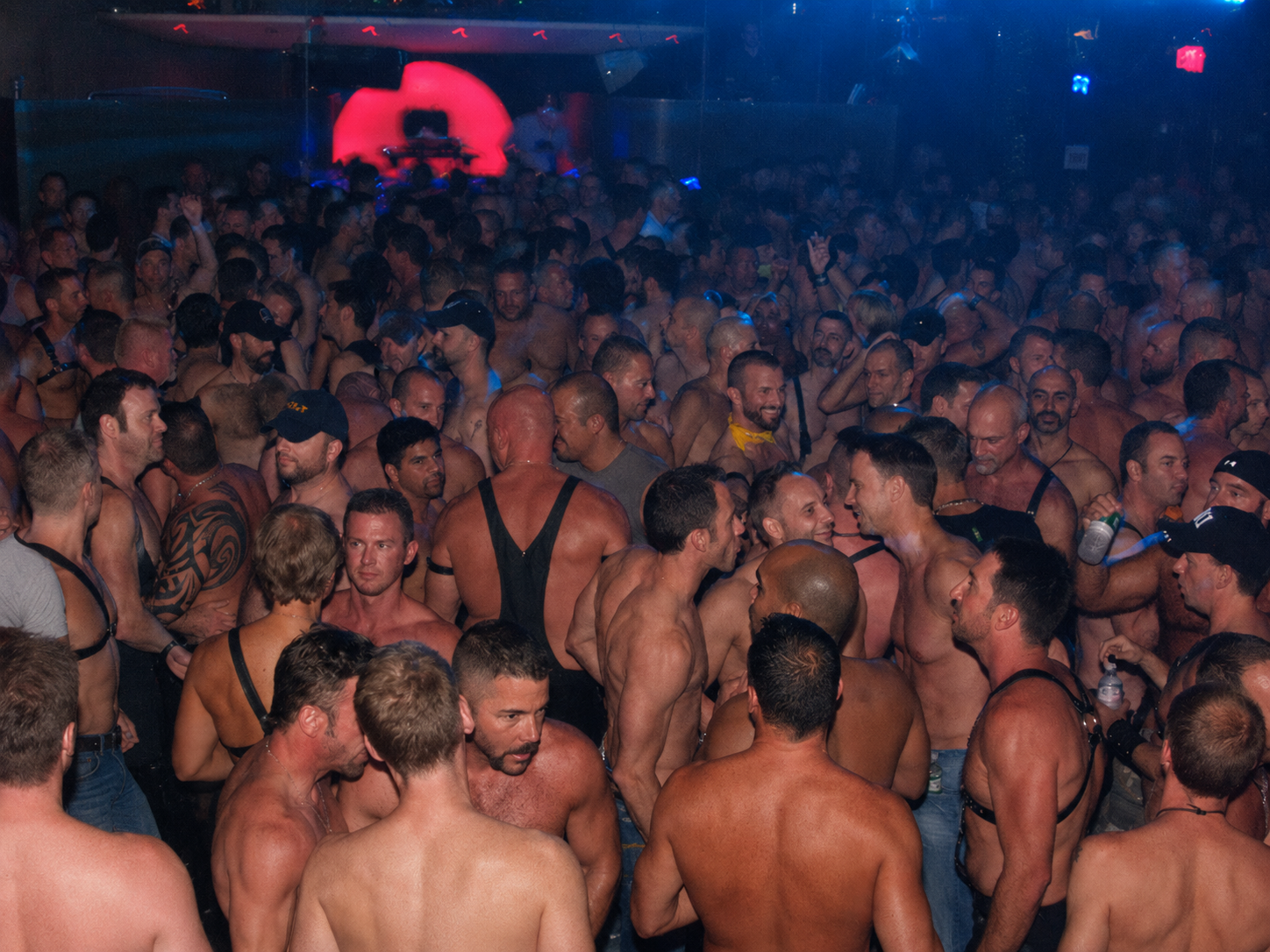
At the same time, San Francisco’s leather and kink culture gave me the opportunity to experience very different ways of loving, relating, sharing power, and building connection. These weren’t theoretical alternatives. I explored many of them myself—sometimes with skill, sometimes with plenty to learn.
So while the world around me was opening, I was also exploring what I wanted to do with that freedom.
Over time, my curiosity changed. I became less interested in simply seeking the next experience and more interested in why some experiences left me feeling deeply nourished, connected, or changed while others—however exciting—left me looking for the next thing.
What was I actually looking for through all this exploration?
My work at Qasa Retreat Center in Costa Rica has given me a place to explore that question more intentionally over several years. Through programs including Conscious Kink, I have developed retreat experiences, curriculum, and online learning that use embodied practice and pleasure to help queer men live joyfully and fully expressed.
This work is allowing me to do something different with decades of my own exploration: turn what I’ve learned into practices that can be shared with others.
Working with individuals and groups of queer men continues to show me how deeply our relationships with our bodies, pleasure, desire, and one another can be shaped by what we think will make us acceptable.
And as men become more curious about those assumptions, pleasure and embodied experience can open a larger question:
What becomes possible when I give myself permission to experience and express more of who I am?
The question at the heart of my work is how those moments of discovery can become something more enduring—how men can carry greater freedom, expression, and choice from these experiences into the rest of their lives.
Queer Sovereignty Method grew from that inquiry.
What I bring
What I bring to it.
My doorway into this exploration has always been pleasure.
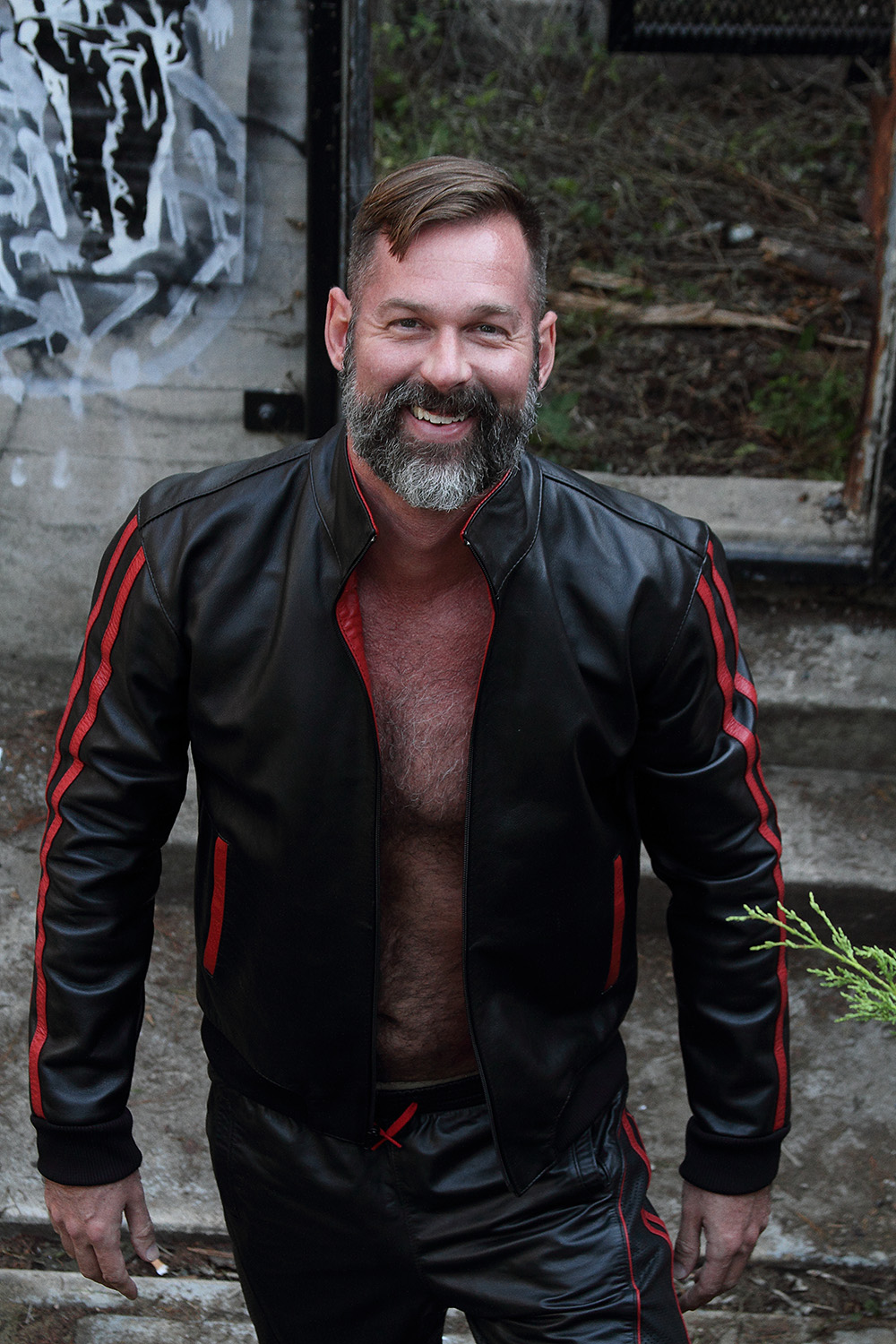
Decades spent in the leather and kink community have shown me how directly pleasure and intensity can bring us into contact with our desire and vulnerability—and with parts of ourselves we might otherwise keep hidden. Over time, I began to understand pleasure as information—a way of noticing where we come alive, where we contract, and sometimes what our bodies seem to know before we’ve found language for it.
Along the way, I’ve brought practices from breathwork, meditation, somatic approaches, and contemporary psychology into what I’ve learned through years in queer kink and pleasure-positive spaces. My training includes Advanced Facilitation with The Body Electric School and trauma-informed practices. I’ve learned how to hold environments where sexuality can be explored directly—not just talked about—and where pleasure becomes a way of discovering what we’re capable of feeling, expressing, and choosing.
I’m not a psychotherapist, and QSM isn’t therapy. I bring these different influences together through a distinctly queer, pleasure-positive, capacity-building lens.
I bring another part of my life to QSM as well: a professional career in strategy, organizational leadership, philanthropy, social impact, and program development—much of it spent turning ambitious ideas into things that can actually work.
QSM brings those parts of my life together: decades of queer exploration, embodied practice, program design and facilitation, and a deep curiosity about what becomes possible when we have greater freedom to experience and express who we are.
The possibility
What becomes possible.
I don’t have a prescription for what a fully expressed queer life should look like.
That would defeat the point.
For those of us fortunate enough to have meaningful freedom, we’ve inherited possibilities that generations before us could scarcely have imagined.
The achievement isn’t that we finally get to live like everyone else. It’s that more of us have the freedom to discover how we actually want to live.
Explore →